Jan Kozlowski is a freelance writer and web consultant, who lives in Connecticut with her husband of 24 years, a neurotic German shepherd mix named Louie, and 8 rescue cats. She chatted to me about her new book, why e-books are the new pulp fiction, and why you should write what you love.
I was faffing about on the Twitter back in January when SF author Ken MacLeod retweeted a message about 20 Years Later, the debut novel from EJ Newman. I hadn’t come across her work previously, but a quick look at her website told me I had to get in touch to find out more, as her creative output puts mine to shame! She found time in her busy schedule to answer a few questions about her debut novel (a mystery set in post-apocalyptic London), current projects (Split Worlds, which involves producing a new story every week for a year and a day) and supporting local bookshops.
“I’m often asked what it is about dystopian novels that grabs the YA reader’s imagination, and I always like to point out this is nothing new – every generation post-apocalyptic and dystopian novels have a surge in popularity. When I was growing up it was The Tripods and Empty World (that was the first post-apocalyptic novel I read) and there’s the perennial appeal of the books 1984 and Fahrenheit 451 for example. The only different today is that the “YA market” has been explicitly defined in a way it wasn’t the last time this sub-genre was popular.
That aside, the reason it keeps being popular is quite simple I think; dystopian fiction explores problems and threats that already exist all around us, but writ large. In most dystopian fiction the reader is given a hero who resists the system, who wants to fight despite how dangerous it is – thereby enabling us to live out our own fantasies vicariously. When I was a teen, I was constantly furious at adults who were simply ignoring terrible things going on in the world. In dystopian fiction, the heroes actually do something about it.
If you want to make it in a creative industry, I am told, you have to network.
Gone are the days of the reclusive author who is read but not seen; your Salingers, Pynchons and Becketts. Writers must put themselves out there if they want support for their output, because contacts in the right places get you paid work. I’ve even read in several places that if you want to be a hack or write comedy, you should find out where your favourite journalists, editors or producers drink then hang around the same pub till you get chatting. Because that’s not creepy or weird, especially for those of us commuting from Edinburgh to London…
For some reason I had assumed that everyone would have heard of it by now, but apparently not, so I shall explain. Literary Death Match is an event where writers compete against one another for the adulation of their peers, or failing that the approval of a live audience and panel of judges. Four writers read their stuff for up to seven minutes (any longer and they get shot) and are whittled down to two according to the criteria of literary merit, performance, and intangibles. They then go head to head in a final round that doesn’t involve reading, but is in some way literary – for instance Tuesday’s champion was ultimately decided by spelling bee.
Steve Augarde is an author, illustrator and paper engineer who has written four novels for older kids and over 70 picture books for younger ones. He also provided the artwork and music for Bump the Elephant, a cartoon you may remember if you were a small person or parent in the early 1990s. I spoke to him about designing pop up books, 30 years of writing for children, and the possibility he may be responsible for electronic birthday cards…
Occasionally, the fact I sign my name as the fairly androgynous ‘Ali’ leads people to assume I am a man. This belies the fact that however peppered with links to my online endeavours my email signature may be, most recipients of my missives can’t be arsed clicking them.
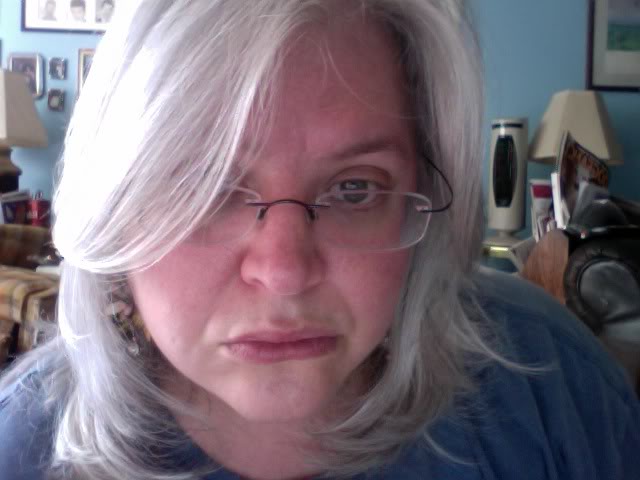 Jan Kozlowski is a freelance writer and web consultant, who lives in Connecticut with her husband of 24 years, a neurotic German shepherd mix named Louie, and 8 rescue cats. She chatted to me about her new book, why e-books are the new pulp fiction, and why you should write what you love.




 12 Books in 12 Months